
Basket
Showing all 7 resultsSorted by latest
-
 Découvrir: Refresher Day
Refresher Day
Reinforce and consolidate the key concepts of the Mutual Gains Approach. Découvrir
/meta


Questions fréquentes
Quelle est la différence entre les formations Inter et Intra-entreprise ?
→
Formation Inter-entreprise : Inscription individuelle selon un planning prédéfini. Les participants proviennent d’entreprises et secteurs différents, favorisant un enrichissement mutuel grâce à la diversité des expériences partagées.
Formation Intra-entreprise : Formation dédiée à votre équipe, dispensée dans vos locaux ou le lieu de votre choix. Le consultant adapte entièrement le contenu à vos enjeux spécifiques et votre contexte métier.
Quels sont les effectifs recommandés pour chaque format ?
→
Intra-entreprise : De 4 à 12 participants maximum. Cette taille optimale permet au consultant de consacrer du temps personnalisé à chaque participant et d’assurer un suivi individualisé.
Inter-entreprise : De 4 à 10 participants maximum. Un effectif restreint garantit des échanges de qualité et une attention soutenue pour chaque apprenant.
Quels sont les tarifs des formations Intra-entreprise ?
→
Les tarifs varient selon la durée et la personnalisation requise. Contactez-nous pour un devis personnalisé et détaillé adapté à vos besoins spécifiques.Inter-entreprise : De 4 à 10 participants maximum. Un effectif restreint garantit des échanges de qualité et une attention soutenue pour chaque apprenant.
La stratégie des gains mutuels convient-elle à tous les profils ?
→
Absolument. Quel que soit votre niveau – négociateur débutant ou expert chevronné – notre formation apporte une méthode structurée et immédiatement opérationnelle. Notre approche s’adapte à tous les contextes : négociations commerciales, achats, partenariats, résolution de conflits internes, négociations sociales et collectives, etc.
Nos actualités
-

Beyond Active Listening: Emotional Diagnosis at the Heart of Negotiation
In the popular imagination, a good negotiator is an outstanding communicator, someone able to speak with ease and win people over. The reality is quite different: the most durable and most profitable agreements rarely come from a gift for public speaking, but from a rare ability to listen intelligently. If you are looking to master…
-

The Negotiators Don’t Have the Gun
Written by Patrick Baaklini Lebanon today finds itself at the center of two diplomatic tracks that appear, at least on the surface, to pursue the same objective: preventing another devastating war with Israel. Yet beneath this apparent convergence lies a fundamental contradiction. Lebanon is negotiating through its official institutions, while Hezbollah continues to maintain its…
-
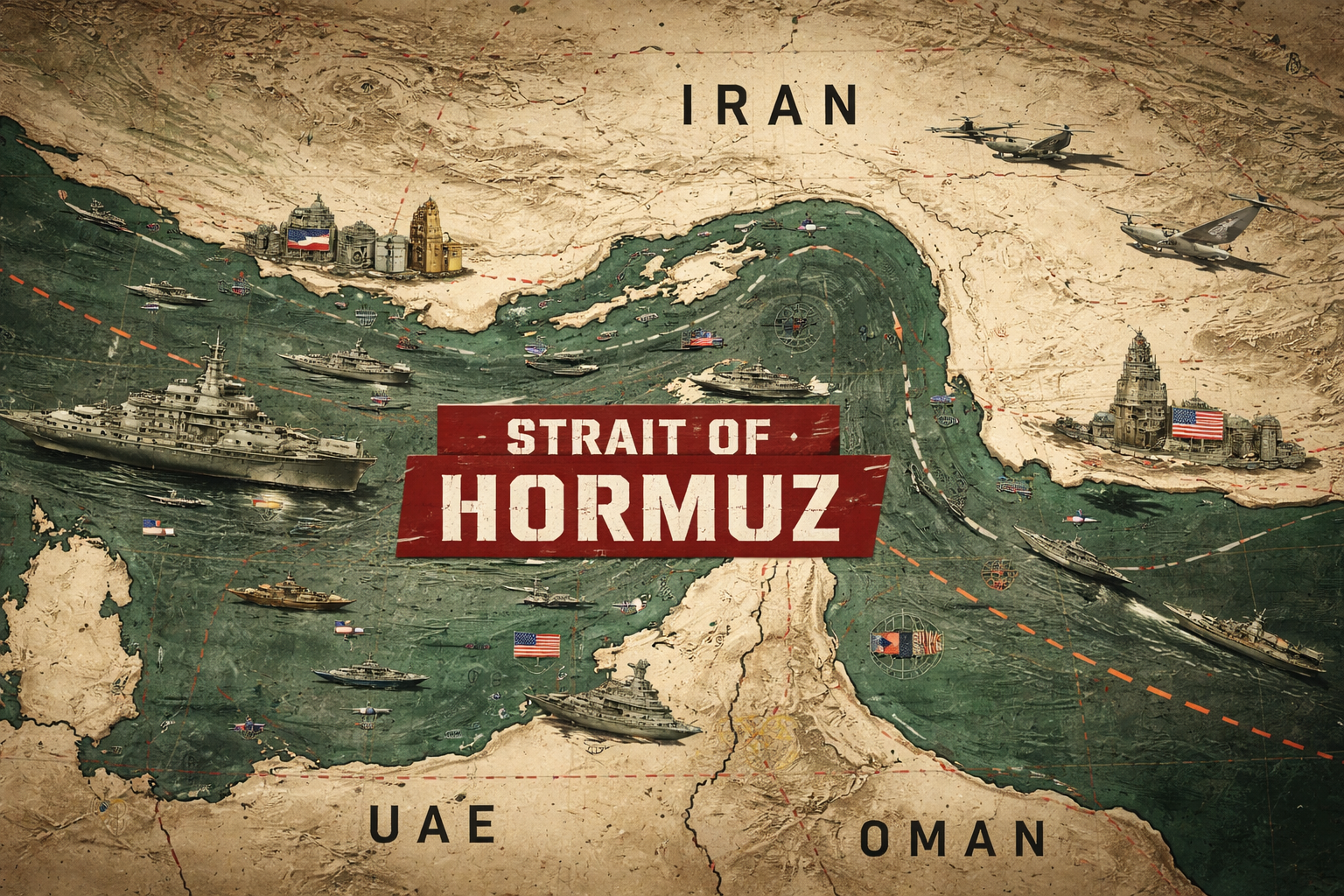
Strait of Hormuz Crisis (2026): Strategic Challenges and Paths to Resolution
Patrick Baaklini The 2026 Strait of Hormuz crisis has become one of the most serious geopolitical flashpoints between the United States and Iran. This strategic waterway is essential to the global energy trade, and instability there can have direct consequences for oil prices, inflation, shipping costs, and international markets. For professionals and students studying negotiation,…


