
Written by Patrick Baaklini
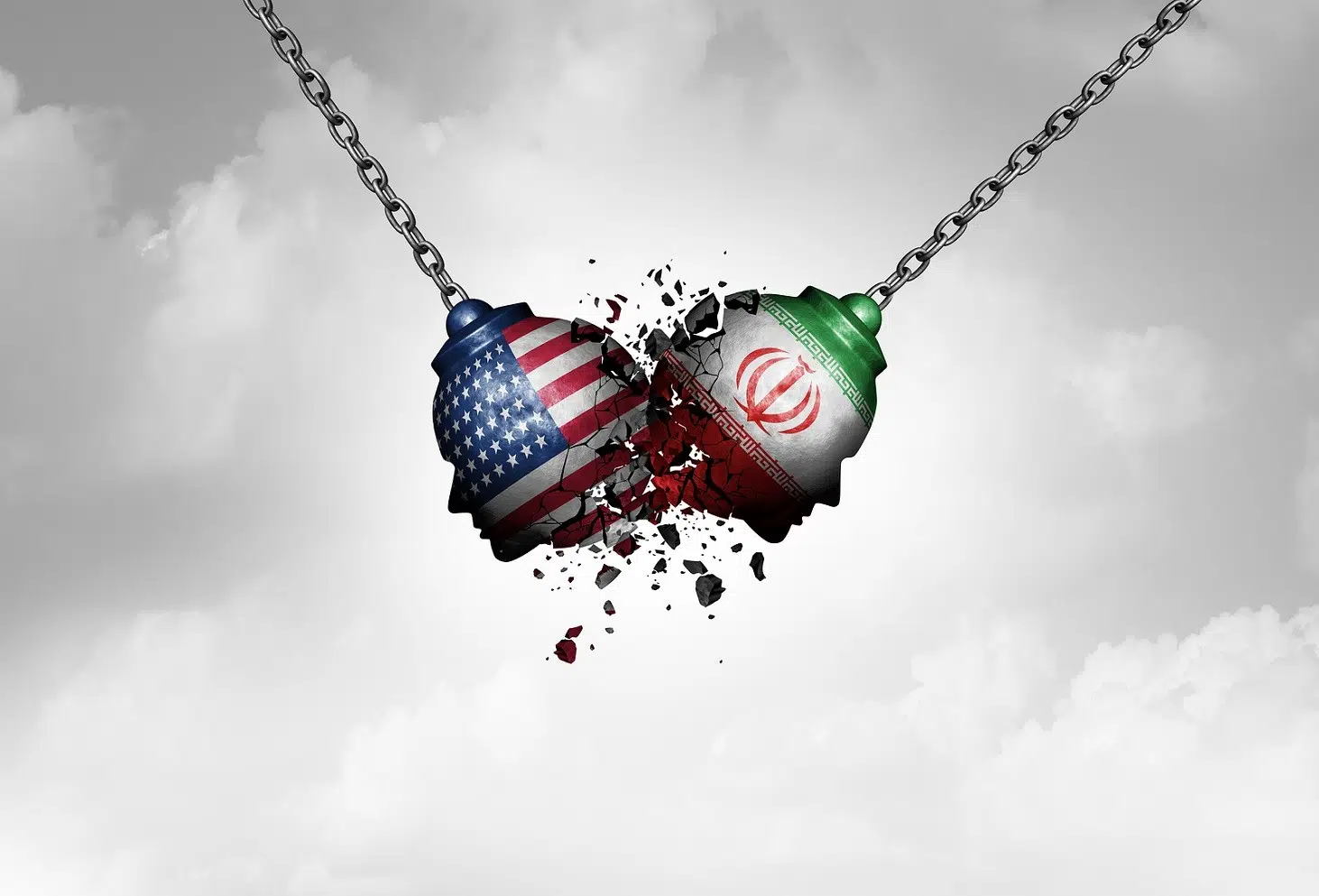
MUSCAT, Oman — In the cool, marbled corridors of a royal guest palace on the outskirts of Muscat, the future of the Middle East is being bartered in whispers and relayed through intermediaries. After a year defined by the thunder of aerial bombardments and the smoke of street protests, the United States and Iran have returned to the negotiating table, driven there by a mutual realization: the cost of the next war may be higher than the price of a difficult peace.
The talks, which resumed in earnest this February, represent the most significant diplomatic gamble of the second Trump administration. They follow the “12-Day War” of June 2025, a concentrated campaign of American and Israeli strikes that severely damaged Iran’s enrichment facilities at Natanz and Fordow. But as satellite imagery recently reviewed by The New York Times suggests, while the concrete was shattered, the knowledge remains. Iran has begun a frantic effort to repair its missile sites, even as its diplomats signal a newfound, if desperate, pragmatism.
The Calculus of Conflict
For the American delegation, led by the real estate investor turned special envoy Steve Witkoff, the objective is “comprehensive” or nothing. Washington is no longer satisfied with the narrow nuclear guardrails of the 2015 accord. They are pushing for what some officials call “JCPOA-Plus”, a deal that would not only dismantle the nuclear infrastructure but also clip the wings of Iran’s ballistic missile program and sever its “Axis of Resistance” proxy network.
Yet, the “Mutual Gains” approach being tested here suggests a different path. Diplomacy experts argue that for a deal to stick, the Trump administration must move from its maximalist “zero enrichment” demand to a framework that addresses Tehran’s existential anxiety: the survival of the Islamic Republic itself.
The Stakes at a Glance
- For Washington: A definitive end to the nuclear threat and a stabilized oil market. Brent crude has hovered near $70, with analysts warning of a spike to **$91** should the Strait of Hormuz be closed.
- For Tehran: An end to the “maximum pressure” sanctions that have sent the rial into a tailspin and fueled a winter of domestic discontent.
- The Nuclear Clock: Despite the 2025 strikes, experts estimate Iran’s “breakout time”, the period needed to produce enough weapons-grade material for a bomb is still measured in weeks, not months.
Military Shadow, Diplomatic Light
The presence of high-ranking military officials near the talks underscores the “coercive diplomacy” at play. The USS Abraham Lincoln strike group remains stationed in the Arabian Sea, a silent participant in every meeting.
“The Iranians are negotiating with a gun to their head, but the Americans are negotiating with a ticking clock,” said one senior European diplomat briefed on the Muscat talks. “If these talks fail, the next step isn’t more sanctions; it’s a broader regional conflagration that no one, especially a White House focused on the domestic economy, truly wants.”
The Options on the Table
| Issue | The “Hard” Path | The “Mutual Gains” Path |
| Enrichment | Total dismantlement of all centrifuges. | Capping enrichment at 3.67% with the removal of all 60% stockpiles to a third country (likely Russia). |
| Regional Proxies | Full withdrawal of support for Hezbollah and the Houthis. | A “Non-Aggression Pact” with Gulf neighbors, trading regional de-escalation for recognized spheres of influence. |
| Economy | Snap-back sanctions for any minor violation. | Gradual, phased lifting of oil and banking sanctions tied to verifiable IAEA “anywhere, anytime” inspections. |
The breakthrough, if it comes, will likely be a “Nuclear-First” arrangement. Iranian Foreign Minister Abbas Araghchi has publicly insisted that the talks remain “exclusively nuclear,” a stance meant to protect the regime’s domestic image. However, sources close to the Omani mediators suggest that the “defense matters”, missiles and militias, are being discussed in parallel, “off-the-record” sessions.
As the delegations prepare for a second round of talks in Istanbul, the “wall of mistrust” remains high. But in the cold logic of geopolitics, both sides appear to have reached a conclusion that the status quo is no longer tenable. For President Trump, a “Grand Bargain” would be a legacy-defining achievement; for the Supreme Leader, it may be the only way to ensure the mosques and ministries of Tehran remain standing.
The coming weeks will determine if Muscat becomes the birthplace of a new regional order or merely a brief intermission before a larger storm.
Image Attribution: The lead image in this article was sourced from the Jerusalem Institute for Strategy and Security (JISS) article titled “American Sanctions and Military Action against Iran”.


