

Space geopolitics: why negotiation is becoming a key strategic skill
· Articles · 4 min read
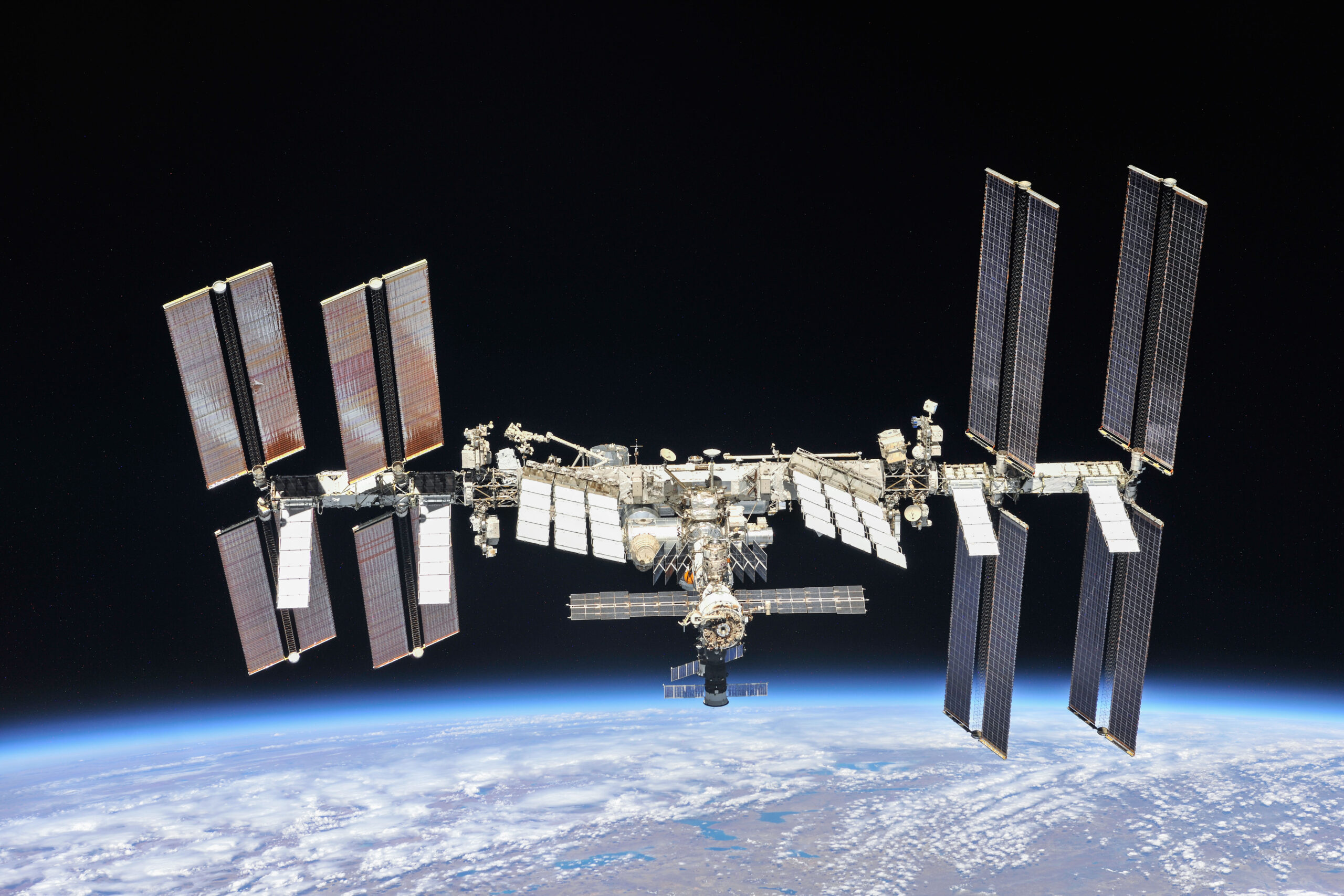
Space is no longer a subject for science fiction. It has become a central issue in geopolitics, economics and international security. Today, the United States, China and Europe are already projecting their ambitions there. And above all, they are redefining their power relations there.
In this context, one reality stands out. The rules of the game are not yet settled. They are incomplete. As a result, space is becoming a domain where international negotiation plays a decisive role.
Space: from exploration to critical global infrastructure
For a long time, space was seen as a territory for exploration. Today, it has become an invisible but essential infrastructure.
Satellites enable navigation, telecommunications, weather forecasting and a large part of financial systems. Space therefore directly influences the global economy and the security of states.
In The Future of Geography, Tim Marshall shows that geography remains a structuring factor of power, even when it changes form with technology. In other words, space is now a strategic extension of the Earth.
An existing but insufficient legal framework
A legal framework already exists. The 1967 Space Treaty (Outer Space Treaty) is its foundation.
However, this framework was designed in another context: the Cold War. At that time, space was limited to a handful of state actors.
Today, the situation has changed. Private players are multiplying. Satellites are proliferating. Lunar projects are developing. As a result, new questions are emerging:
Who can exploit lunar resources?
How should orbit congestion be managed?
How can conflicts involving military and civilian satellites be avoided?
As a result, the existing rules are no longer enough. They must be supplemented through negotiation.
A structured competition between three powers 🇺🇸 🇨🇳 🇪🇺
Today, three actors dominate space dynamics: the United States, China and Europe.
The United States combines public power and private innovation. Its model rests on strong integration between NASA and private players such as SpaceX. As a result, it moves fast and shapes de facto standards.
China, for its part, follows a centralised strategy. It is developing autonomous capabilities. It is building its own space infrastructure. As a result, it is reducing its dependence on Western systems.
Europe takes a different approach. It is strong on the scientific and regulatory front. It plays a key role in international cooperation. However, it remains partially dependent when it comes to launch capabilities and certain critical infrastructure.
These three visions thus create an unstable balance between cooperation and competition.
Increasingly concrete areas of tension 🛰️
Several risks are already emerging.
First, the saturation of low orbits. The number of satellites is increasing sharply. This creates risks of collision and space debris. Without coordination, the system becomes fragile.
Next, the question of lunar resources. The current law remains unclear. As a result, interpretations differ between powers.
Finally, the indirect militarisation of space. Many technologies are dual-use. They can be civilian or military. This increases the risk of strategic mistrust.
Space is thus becoming an environment where tensions can evolve rapidly.
Why negotiation has become a strategic skill
In this context, a purely competitive approach reaches its limits. Indeed, space is an interconnected system. An isolated decision can affect all the players.
This is where principled negotiation becomes essential. Particularly in commercial negotiation, strategic management or international negotiation training courses.
The mutual gains approach makes it possible to move beyond opposing positions. It rests on a simple logic: understand the real interests before defending positions.
Applied to space, this changes the perspective. It is no longer only a matter of knowing who controls what. It is above all about building a stable system.
The interests of the major powers can thus be articulated:
The United States seeks security and innovation.
China seeks autonomy and strategic recognition.
Europe aims for regulatory stability and multilateral cooperation.
As a result, a strategic negotiation training course makes it possible to better understand how to turn these differences into balance.
Conclusion: space as a laboratory for the negotiation of the future
Space is still a domain under construction. Unlike other geopolitical spaces, its rules are not fixed.
As Tim Marshall points out, geography continues to structure power, but it evolves with technology.
Space is thus becoming a unique laboratory. A place where the rules are built at the same time as the actors act.
In conclusion, the question is not only technological or military. It is also deeply linked to negotiation skills.
And in this new context, those who master the techniques of complex negotiation, intercultural negotiation and shared value creation will be at the heart of tomorrow’s balance of power.