
The most common mistakes in commercial negotiation and how to avoid them
· Articles · 3 min read
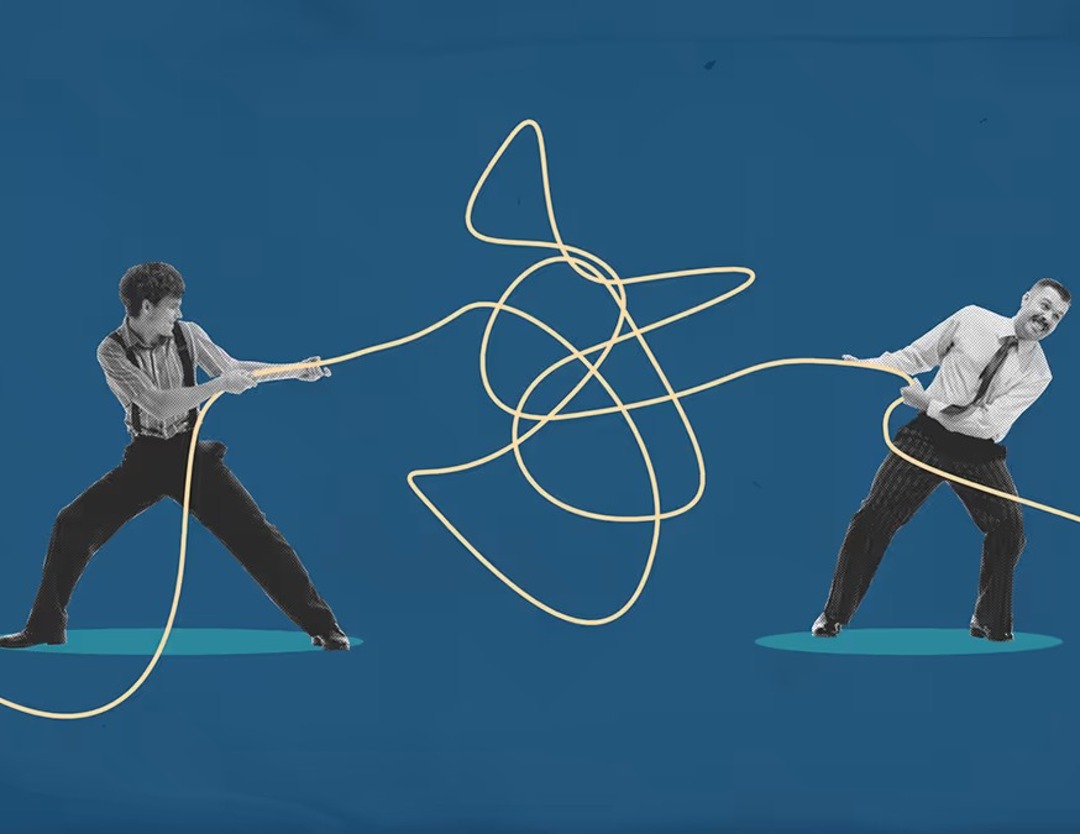
Commercial negotiation is a key skill in every sector. It directly influences sales, margins and the quality of customer relationships. Yet many opportunities are lost because of simple but common mistakes. A negotiation training course helps you avoid these pitfalls and build a more effective approach. But before training, it is essential to understand the most common mistakes. In this article, we analyse them one by one. And above all, we explain how to avoid them in practice.
1. Not preparing for the negotiation
❌ The mistake
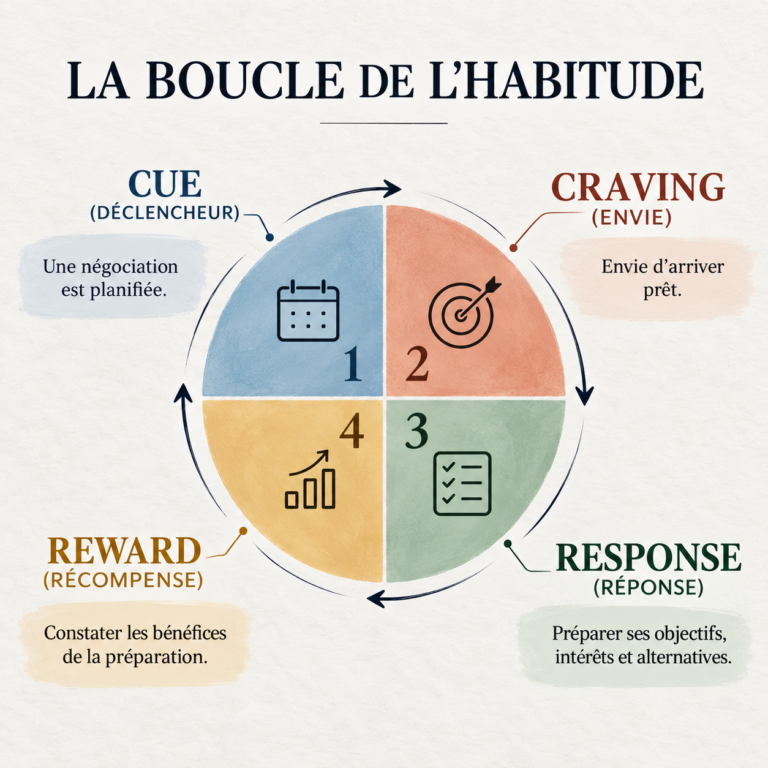
Many negotiators go into meetings without clear preparation.
They have no precise objective.
Nor do they have an alternative strategy.
This is a major mistake.
✅ How to avoid it
Good preparation rests on three simple elements:
- Define a minimum objective and an ideal objective
- Understand the customer’s needs
- Plan an alternative (BATNA)
👉 The BATNA is a concept from the Harvard Negotiation Project (Fisher & Ury).
It means you never negotiate without a fallback solution.
2. Talking too much and listening too little
❌ The mistake
Many salespeople want to convince too quickly.
They talk too much.
And they do not listen enough.
Result: they miss essential information.
✅ How to avoid it
The key is simple: listen more than you talk.
To do this:
- Ask open questions
- Let the customer express themselves
- Rephrase their needs
📌 Research from the Harvard Program on Negotiation confirms an essential point:
The best negotiators listen more than they talk.
3. Focusing only on price
❌ The mistake
Reducing a negotiation to price is a common mistake.
It creates unnecessary pressure.
And it destroys value.
✅ How to avoid it
You need to change your approach.
Do not talk only about price.
Above all, talk about:
- The value of the solution
- The benefits for the customer
- The return on investment
👉 Negotiation should create value, not just divide it up.
4. Giving away your limits too early
❌ The mistake
Saying “this is my final price” too soon is risky.
It blocks any flexibility.
And it weakens your position.
✅ How to avoid it
Adopt a gradual approach:
- Do not reveal your limits too early
- Keep some room for manoeuvre
- Introduce trade-offs in return
👉 A good negotiation rests on managing concessions.
5. Handling objections badly
❌ The mistake
Many negotiators see objections as a refusal.
They react too quickly.
And often badly.
✅ How to avoid it
An objection is an opportunity.
It helps you understand the customer better.
A simple method:
- Listen without interrupting
- Rephrase
- Respond with facts
6. Neglecting the customer relationship
❌ The mistake
Focusing only on the immediate result is a common mistake.
It weakens the relationship.
And it limits future opportunities.
✅ How to avoid it
Adopt a partnership approach:
- Build trust
- Look for balanced solutions
- Adopt a lasting professional stance
📌 Harvard (Getting to Yes) recommends separating the people from the problem.
7. Not knowing how to close
❌ The mistake
Many negotiations fail at the closing stage.
Or drag on needlessly.
✅ How to avoid it
To close effectively:
- Identify the signs of agreement
- Summarise the points agreed
- Propose a simple conclusion
👉 A good conclusion is clear, direct and owned.
Mistakes in commercial negotiation are common. But they can be avoided.
They do not come from a lack of talent. They mostly come from a lack of method.
A negotiation training course helps correct these mistakes for good.
And significantly improve commercial results.
👉 Success in negotiation rests on preparation, listening and value creation.
The image source is credited in the Harvard Business Review store as coming from the product How to Learn from a Failed Negotiation (Joshua N. Weiss), published by Harvard Business Review Press (March 2025).